In crisis? Call or text 988 | Montco Mobile Crisis: (855) 634-4673 | Emergency: 911
When we think of the word “trauma” we may think of veterans in combat developing PTSD, or
sexual assault victims remembering their abuse, or being involved in a major car accident. In
reality, trauma is much broader and is not a one-size-fits-all.
According to the APA Dictionary of Psychology, trauma is defined as, “...any disturbing event
that results in intense fear, helplessness, or dissociation, causing long-lasting negative effects
on a person's behavior, well-being, and worldview”. That means that by definition, trauma can
look different for each individual; but our traumas all have one thing in common- it affects our
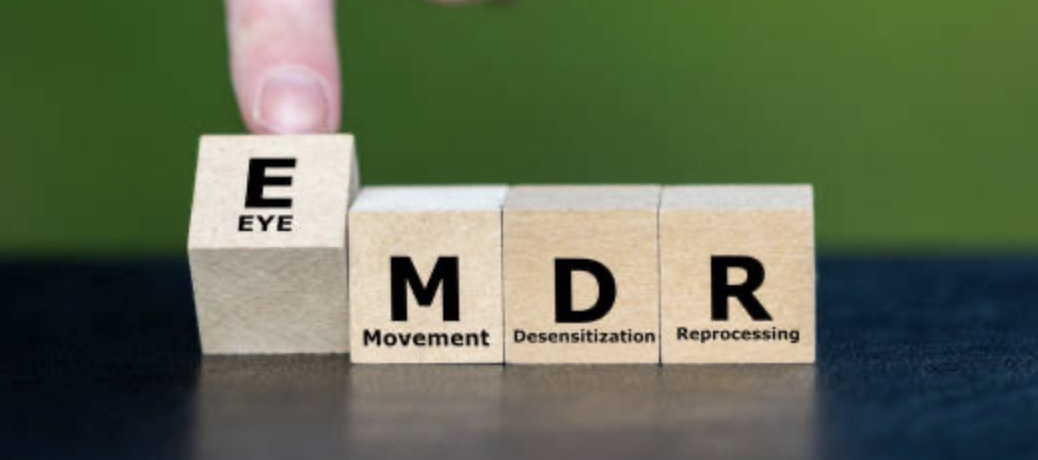
emotions, beliefs, relationships, and physical responses. EMDR is one therapeutic approach
designed to help people process distressing memories and emotions.
EMDR was first developed in 1987 by Francine Shapiro and was initially intended to be used on
individuals diagnosed with PTSD. EMDR is guided by the Adaptive Information Processing
(AIP) model, which is a fancy name for explaining how the human brain processes, stores, and
heals from experiences.
Through guided bilateral stimulation (such as side-to-side eye movements, tapping, or in my
practice- handheld buzzers) we can help unlock our brain’s memory network and connect it with
healthier (and calmer) responses. EMDR doesn’t erase the distressing memory, but rather helps
our brain “digest” it better, which helps change the emotional charge felt in our mind and body.
One piece of EMDR treatment that people may not realize or be prepared for is that EMDR
requires preparation and ongoing assessment rather than simply revisiting a traumatic memory.
This modality is not appropriate for every individual, as it requires someone to be able to
practice effective mindfulness and a certain level of emotional regulation (because it will “stir up”
lots of emotions throughout the process). EMDR is not appropriate for people who are
experiencing crises (such as planning or recently attempted suicide) or actively using
mind-altering substances.
The type of bilateral stimulation that will be used depends on the client’s needs and preferences,
as well as the therapist’s own modalities. For example, if a client has a history of seizures or
head injuries, it may not be appropriate for them to utilize eye movements as the bilateral
stimulation. They might need tactile (hand buzzers or hand “butterfly taps”) or sound/tone
bilateral stimulation instead.
Additionally, it is important to note that EMDR treatment operates on an eight-phase protocol.
These phases include history-taking, preparation, assessment, memory processing,
strengthening adaptive beliefs, body scanning, closure, and reevaluation.
Clients doing EMDR do not necessarily have to describe every detail of an experience. Some
experiences or trauma events block our memories or brains from remembering everything in
great detail. That is normal and does not mean that that event or experience cannot be
processed with EMDR.
It is important to note that processing can bring up strong emotions. Pacing, preparation, and
coping strategies are important parts of treatment. Because EMDR has been described as the
closest our brain can be to REM sleep while still conscious, that means our brain does a great
deal of work both during treatment and in between treatments. Clients often say that after an
EMDR session they need more sleep than usual, more nutritious foods, and more
water/hydration. Our new neural pathways need lots of rest and recovery!
The ultimate goal of EMDR is to reduce the distress associated with memories. We also need to
help develop a more adaptive understanding of the experiences. Remember, healing is a deeply
individual process and EMDR is not a quick fix for everyone. If you are considering EMDR for
yourself, ensure you work with a trained clinician that can help determine whether it is
appropriate for you.
EMDR can be a deeply powerful tool in helping oneself live a more peaceful life with lessened
trauma symptoms. If you or someone you know is interested in EMDR therapy, some of our
therapists at High Point Wellness Counseling have completed the required training and offer it
both virtually and in our Blue Bell office. Happy healing!